
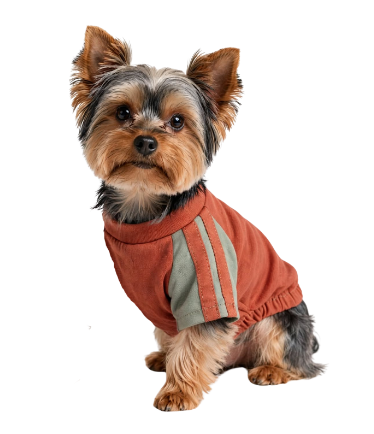

When a dog loses a leg, it can be an emotional and worrying time for the whole family. You may wonder how your dog will cope, whether they will be able to walk comfortably again, and how you can make life easier for them.
The encouraging news is that many dogs adapt remarkably well to life on three legs. With veterinary care, patience and a few adjustments at home, they can continue to enjoy walks, playtime, cuddles and all the little things that make life special.
At Tripawd Clothing UK, we understand that every dog is different. Alongside helping your dog adjust to life with three legs, finding comfortable, well-fitting clothing can become an important consideration.
1. Helping your dog recover after amputation
Leg amputation is major surgery, and recovery takes time. Your vet will give you instructions specific to your dog's operation, medication, wound care and activity levels. These instructions should always take priority over general advice.
When your dog first comes home, provide a quiet, comfortable place to rest where they can feel safe and close to the family.
A few practical steps can help:
-
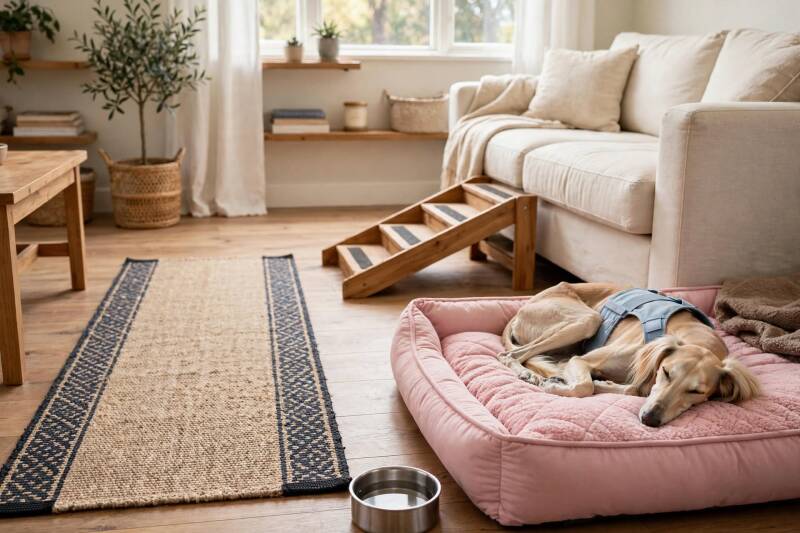
Provide a comfortable bed. Choose somewhere warm and quiet that is easy for your dog to reach.
-
Limit activity as advised by your vet. Even if your dog seems eager to get moving, they need time to recover from surgery.
-
Make toileting easier. Follow your vet's advice about taking your dog outside, and offer support if they are unsteady.
-
Prevent slips and falls. Non-slip rugs or mats can help provide better footing on smooth floors.
-
Keep essentials within reach. Place water and food bowls where your dog can reach them without unnecessary effort.
-
Attend follow-up appointments. These allow your veterinary team to check healing and advise when activity can increase.
Your dog may need time to regain confidence and learn to balance differently. Be patient, offer gentle encouragement and let them progress at their own pace.
2. Monitoring the Surgical wound
After surgery, protecting the surgical site is essential. Follow your vet's instructions for checking the wound and keeping it clean and dry.
Contact your veterinary practice promptly if you notice increasing redness, swelling, bleeding, discharge, an unpleasant smell, wound opening, or signs that your dog is in pain or becoming unwell.
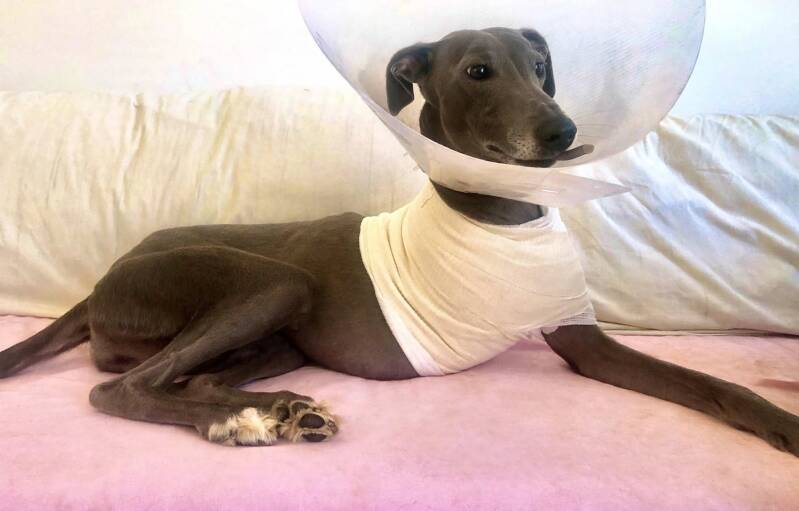
Preventing licking, chewing and scratching is also important. Your vet may recommend a protective collar, recovery garment or another suitable option.
Clothing should never replace veterinary wound care. Do not put a garment over a fresh surgical site or bandage unless your veterinary team has confirmed that it is appropriate. A garment that rubs, applies pressure or traps moisture could cause problems.
If your dog has a bandage, ask your vet how to protect it and what to check for. Any garment worn over or around it must be suitable for the specific bandage and your dog's needs.
3. Making your home easier to navigate
Once your dog starts moving around again, small changes can make everyday life more comfortable.
Consider adding non-slip surfaces in places where your dog walks frequently. If they previously jumped onto a sofa or bed, a suitable ramp or step may help, provided your vet says it is safe for them to use.
Keep walkways clear and make sure your dog has enough space to turn around and lie down comfortably. Avoid encouraging jumping, running or stairs until your vet has advised that these activities are suitable.
Some dogs regain their confidence quickly, while others need more time. Watch how your dog moves and let their comfort guide you.
4. Caring for a dog living on three legs
Once the surgical site has healed and your vet has cleared your dog for normal activity, care continues as they adapt to their new way of moving.
Maintain a healthy weight
Keeping your dog at a healthy weight is particularly important because the remaining limbs have to support their body. Your vet can help you choose an appropriate diet and exercise routine.
Build activity gradually
Gentle, appropriate exercise can help your dog maintain strength and confidence. Increase activity according to your vet's recommendations rather than assuming your dog is ready simply because they seem enthusiastic.
Watch for changes in movement
Pay attention to new limping, stiffness, reluctance to walk, difficulty getting up or other changes in behaviour. These may warrant a veterinary check, particularly if they persist or appear suddenly.
Keep giving them opportunities to enjoy life
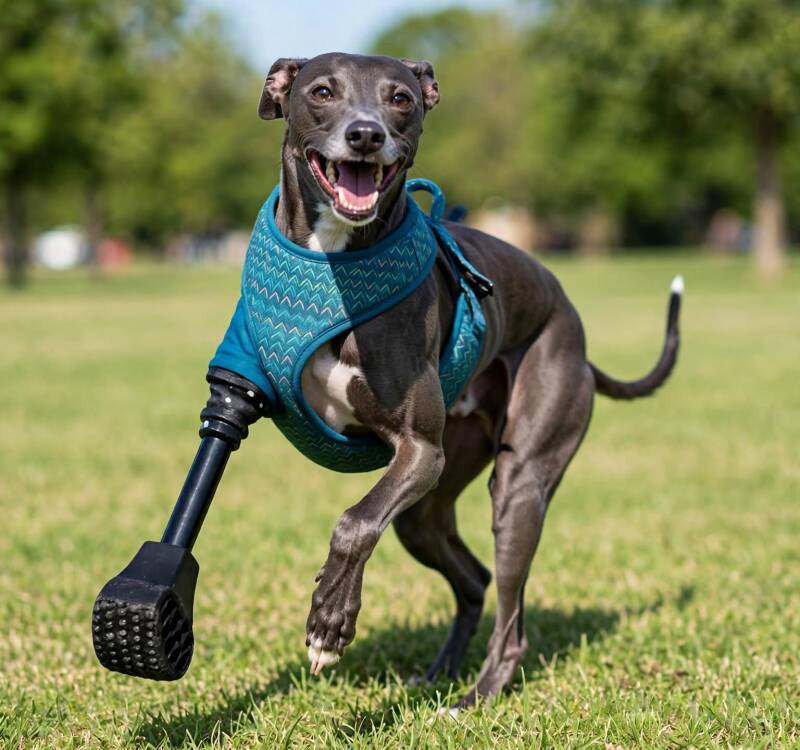
Being a three-legged dog does not mean giving up all the things they love. With the right support and sensible adjustments, many dogs continue to enjoy a happy, active life.
5. Choosing clothing for a three-legged dog
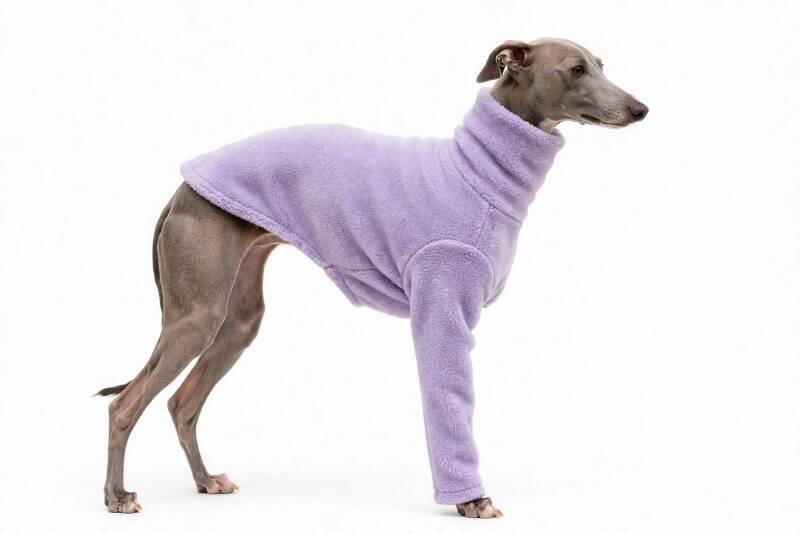
Clothing for a three-legged dog can present different challenges from clothing designed for a dog with four legs. The fit needs to account for the dog's individual shape, remaining limbs and movement.
A garment that fits a four-legged dog may not sit correctly on a three-legged dog. Depending on the design, an extra leg opening may be unnecessary, fabric may hang differently, or a sleeve may need to be shaped differently to avoid interfering with movement.
When choosing clothing, consider the following:
-
A comfortable fit: The garment should allow your dog to stand, walk, sit and lie down naturally.
-
Freedom of movement: Fabric and sleeves should not catch on the remaining legs or restrict normal movement.
-
Suitable coverage: Think about which areas you want to cover and whether the design provides that coverage without rubbing.
-
Easy dressing: Consider how easily the garment can be put on and removed, especially if your dog finds dressing difficult.
-
The right fabric: Choose a material appropriate for the weather, your dog's coat and the intended use of the garment.
-
Regular fit checks: Check for rubbing, pressure marks, bunching or signs of discomfort, particularly when trying a new design.
Every dog has a different body shape, so measurements and individual fit matter more than relying on a breed or size label alone.
6. Can a three-legged dog wear recovery clothing?
Sometimes a suitable garment can be useful, but the right choice depends on why the dog needs it and how far along they are in recovery.
A dog recovering from surgery has different needs from a dog whose amputation site has completely healed. During early recovery, your veterinary team must decide whether clothing is appropriate, whether the surgical site needs to remain accessible, and how the area should be protected.
For a fully healed dog, clothing may instead be chosen for warmth, outdoor comfort or everyday wear.
A well-designed garment should accommodate the dog's body without putting pressure on sensitive areas or interfering with their balance. If your dog has an unusual limb position, a remaining leg that needs special coverage, or a particular fit requirement, a standard garment may not be suitable.
Always check with your vet before using clothing during surgical recovery, and remove the garment if it causes rubbing, restricts movement or makes your dog uncomfortable.
7. Why custom-made clothing can make a difference
At Tripawd Clothing UK, we make clothing for three-legged and four-legged dogs, with attention to fit and the differences between individual dogs.
Custom-made clothing can be particularly useful when a dog does not fit standard sizing. Measurements help us consider the dog's back length, chest, body shape and the placement of the legs when planning a garment.
The aim is to make clothing that suits the individual dog rather than expecting every dog to fit the same pattern.
If you are looking for clothing for your three-legged dog, you can explore our 3-legged dog clothing collection to see the options available.
If you are unsure which style might suit your dog, contact us before ordering. Information about your dog's measurements, the type of clothing you need and any particular fit requirements will help us understand what may be suitable.
8. Every dog deserves comfort and individuality
Adjusting to life after amputation can take time, but many dogs go on to live happy lives filled with their usual adventures and affection. Your dog is still the same individual they were before surgery, even if their needs have changed.
Give them time, follow your vet's advice and pay attention to the little things that make them comfortable and confident.
At Tripawd Clothing UK, we believe that three-legged dogs deserve clothing designed with their individual needs in mind. With thoughtful design and a good fit, clothing can be part of helping them feel comfortable while continuing to be themselves.
We are the same. We are different.
Further reading
For trusted veterinary guidance, see:
This article provides general information and is not a substitute for veterinary advice. Always follow your veterinary team's instructions for your dog's recovery and seek their guidance if you have concerns about a wound, bandage, movement or clothing.
Add comment
Comments